Due to high demand, we are currently at full capacity & experiencing delays in responding to enquiries. We appreciate your patience and we will get back to you as soon as possible.
Get a quote
If you want to speak to someone instantly please call: 0417 616 883
How to design a bathroom for a disabled person?
12 December 2025
Bidet Toilets
Stepping into a bathroom shouldn’t feel like navigating an obstacle course, but for someone with limited mobility, sadly it often does. Tight corners, slippery tiles and unreachable taps can turn everyday routines into stressful, even unsafe challenges.
But thankfully it doesn’t have to be this way. With a few thoughtful changes and smart planning, a bathroom can become a space that’s easy to use, safe and even uplifting.
And as specialist plumbers in the field, we’re here to show you exactly how to achieve just that. From layout and supportive fixtures to clever accessibility tweaks and the life-changing benefits of bidets, we’ll guide you through practical ways to design a bathroom for a disabled person.
Start with the person, not the plan
Before you start choosing tiles or fixtures, take a step back and think about who the bathroom is really for. Every person’s needs, abilities and routines are different. And the design should reflect that.
Ask yourself:
Mobility: Do they use a wheelchair, walking frame, or another aid that affects how they move around the space?
Assistance: Will they need support from a carer? Or is the goal to help them stay as independent as possible?
Reach and comfort: Are the taps, shower controls, and other fixtures easy to reach from where they’ll be using them?
When you design with the person in mind, everything else naturally fits into place. Taking this approach is about much more than practicality. It’s about creating a unique space that brings confidence, comfort and independence to everyday life.
Making room for comfort and mobility
Next up is the layout, the backbone of any accessible bathroom. Without enough space, even the smartest fixtures can feel awkward, cramped or unsafe.
A disability-friendly design gives the person room to move freely and comfortably, whether they’re using a wheelchair or a walking frame. Or even if they just need extra space for support.
Here are some practical layout tips to keep in mind:
Wider doorways: Aim for at least 820mm so wheelchairs and mobility aids can pass through easily.
Open floor plans: Include at least a 1.5m turning circle to make navigation simple and stress-free.
Curbless or walk-in showers: Eliminates trip hazards and makes bathing safer and more comfortable.
Sliding or outward-opening doors: Easier to operate and less likely to get in the way.
By planning a spacious, thoughtful layout, you’re not only creating a bathroom that supports independence; you’re helping to reduce the risk of accidents. Not to mention, it makes everyday routines a whole lot smoother for both the user and their carer.
Grab rails, seats and flooring that support independence
Once you’ve planned a spacious layout, the next step is making sure the bathroom feels safe and supportive at every turn. Stability and balance are key here, so thoughtful fixtures make a huge difference.
Grab rails: Position these next to toilets, showers and baths to help with sitting, standing or simply maintaining balance. Stainless steel rails are strong, durable and very easy to clean.
Shower seats or benches: These give users a comfortable place to sit if standing for long periods is tiring or unsafe. They also allow carers to assist when needed without strain.
Non-slip flooring: Wet floors can be dangerous, so choose slip-resistant tiles or vinyl in all wet zones. This small change goes a long way in preventing falls.
Easy, comfortable bathroom care with accessible bidets
Personal hygiene is one area that’s often overlooked when designing an accessible bathroom. But it’s one of the most important. For people with limited mobility, using toilet paper can be difficult, uncomfortable or even downright impossible without help.
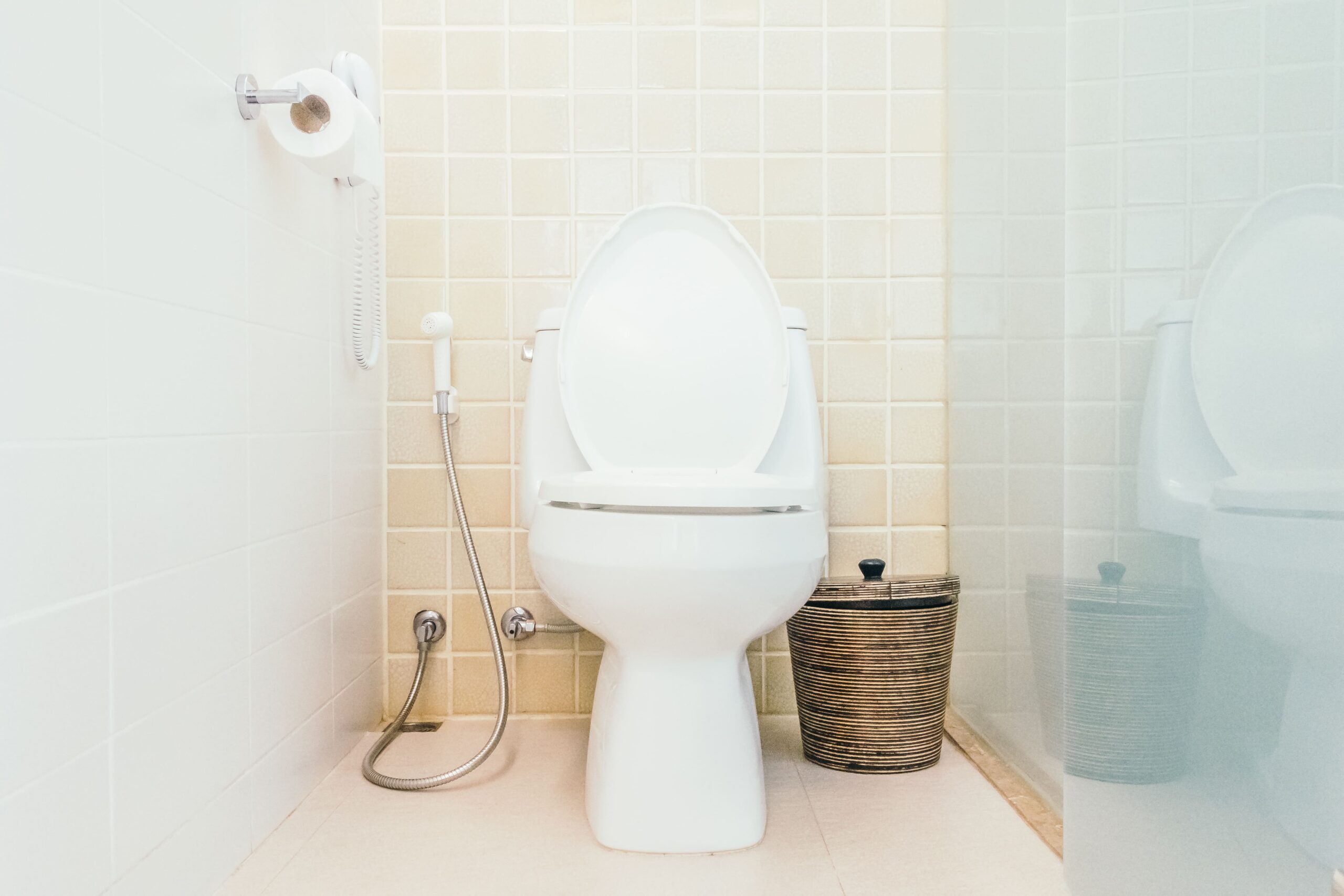
A bidet can completely change the experience. Modern bidet seats and attachments, like the ones from Bidet Specialists Perth, offer gentle, hands-free cleaning with warm water and adjustable controls.
For anyone with limited hand movement or flexibility, a bidet can transform a challenging task into one they can manage independently and with dignity.
Here’s why adding a bidet is such a smart choice for an accessible bathroom:
Provides thorough hygiene without the strain of wiping.
Gentle, comfortable cleaning, especially for sensitive skin.
Promotes independence and privacy for users.
Easy to install on most standard toilets.
Little design tweaks that make a big difference
It’s often the little things that make the biggest difference in an accessible bathroom. Small bathroom design choices can transform how comfortable and independent someone feels while using the space. Here are some practical ways to get it right:
Adjust fixture heights: Make sinks, mirrors, and shelves reachable whether someone is sitting or standing.
Choose easy-to-use taps: Lever or sensor tapware reduces effort and simplifies daily routines.
Think about lighting: Bright, even light helps reduce glare and makes it easier to see everything clearly.
Use contrasting colours: Highlight walls, floors and fittings to make surfaces easy to identify, especially for people with visual impairments.
Why professional planning and installation matters
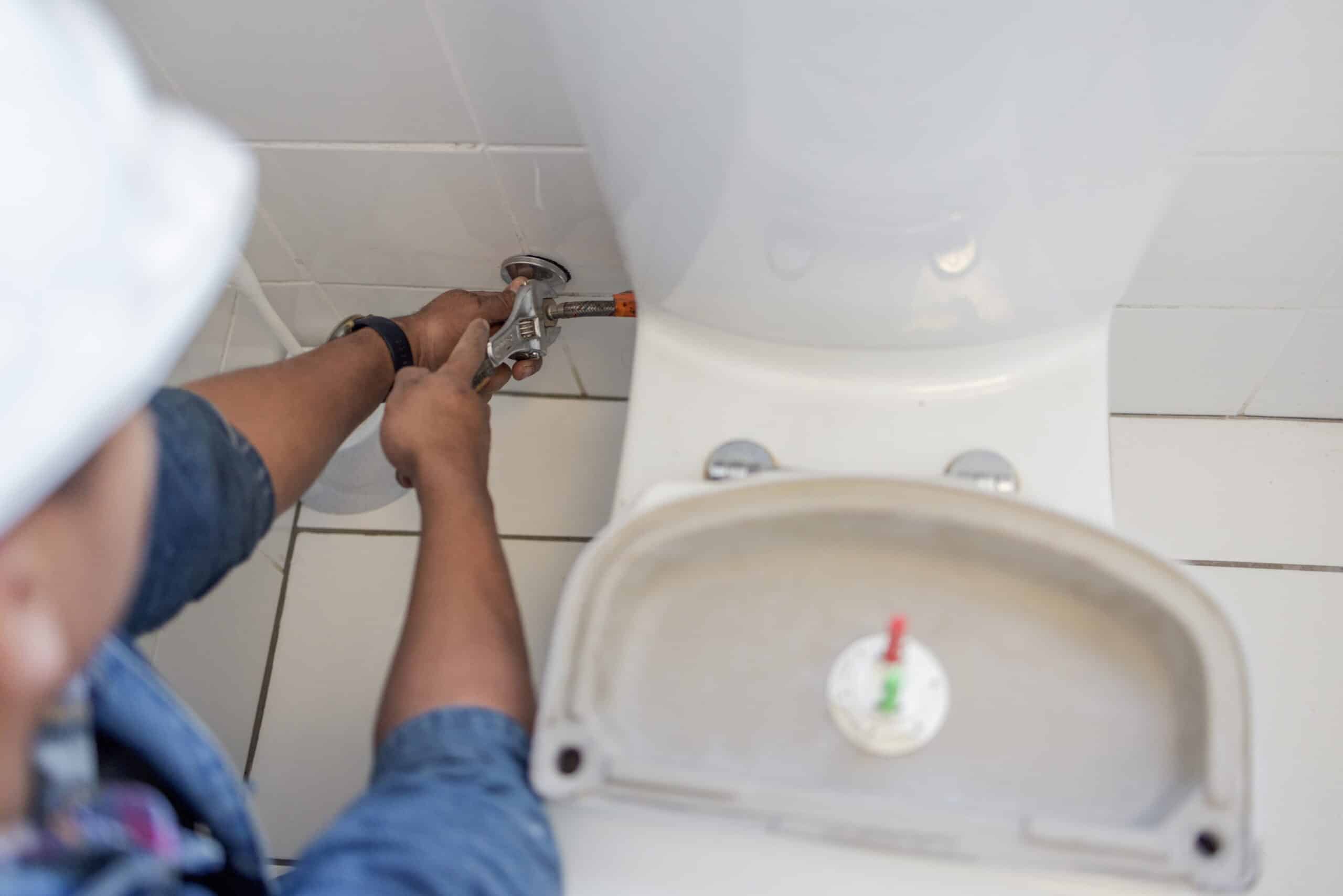
Making a disabled bidet bathroom genuinely accessible goes beyond a few modifications. It takes careful planning and the right kind of expertise. Working with professional installers ensures everything is done correctly, meets Australian accessibility standards (AS 1428.1), and fits the person’s individual needs.
At Bidet Specialists Perth, we team up with families, occupational therapists and home modification specialists to make sure bidets and other hygiene solutions fit seamlessly into the space. From the plumbing to the positioning of fixtures, everything is installed correctly the first time, giving you confidence and peace of mind.
Create an accessible bathroom without the hassle
Designing a bathroom for someone with limited mobility should feel manageable, not stressful. With the right guidance and professional installation, you can create a space that’s safe, comfortable and empowering.
If you’re planning an accessible bathroom renovation, Bidet Specialists Perth can help you choose and install the perfect bidet. Our friendly team will recommend a model that fits your space and needs, helping make your bathroom more functional, easier to use and stress-free.
How to plan for a bidet during a renovation
17 June 2026
Bidet Toilets
When you’re renovating a bathroom, it’s easy to get caught up in the big decisions first, such as the tiles, vanities, tapware, and lighting. Then somewhere along the way, the idea of adding a bidet comes into the picture. And lately, that’s becoming far more common in modern bathrooms, especially for homeowners wanting better comfort, […]
Why bidets are becoming standard in bathroom renovations
9 June 2026
Bidet Toilets
If you’re planning a bathroom renovation, chances are you’re thinking beyond just tiles and tapware. What was once considered a luxury upgrade is quickly shifting into an expected feature, especially in homes designed with convenience and everyday comfort in mind. But while interest in bidets is growing fast, many renovators still overlook some important planning […]
Why Bidets Are Gaining Attention as Bathroom Assistive Technology for OTs and Carers
23 January 2026
Bidet Toilets
Falls and overreach injuries are a serious risk during everyday toileting, especially for people with limited lower-body strength or flexibility. For occupational therapists, carers and family members, helping someone in the bathroom can be physically demanding and sometimes highly stressful. Bidets are a simple way to bring bathroom assistive technology to life. By reducing awkward […]