Due to high demand, we are currently at full capacity & experiencing delays in responding to enquiries. We appreciate your patience and we will get back to you as soon as possible.
Get a quote
If you want to speak to someone instantly please call: 0417 616 883
Why Bidets Are Gaining Attention as Bathroom Assistive Technology for OTs and Carers
23 January 2026
Bidet Toilets
Falls and overreach injuries are a serious risk during everyday toileting, especially for people with limited lower-body strength or flexibility. For occupational therapists, carers and family members, helping someone in the bathroom can be physically demanding and sometimes highly stressful.
Bidets are a simple way to bring bathroom assistive technology to life. By reducing awkward movements, they keep users steady, protect carers from strain, and make personal hygiene feel more manageable.
Read on to explore how bidets can support safe toileting, plus get practical assessment tips for OTs and see real-world cases of safer, more independent bathroom routines.
The hidden dangers of toileting
You might not realise it, but everyday bathroom routines can be surprisingly risky for someone with limited mobility. There’s getting on and off the toilet. There’s twisting to reach the toilet paper, and then there’s bending to wipe. These aren’t just small annoyances. They’re actually some of the most common ways people end up slipping, falling or injuring themselves.
And it’s not only the person using the toilet who’s at risk. Carers can feel it too. When they’re reaching, bending or lifting—even just a few times a day—it can put a huge strain on their shoulders, backs and hips.
Over time, these repeated movements can lead to long-term musculoskeletal problems, making even simple caregiving tasks more difficult.
That’s not all. A few extra factors can make the bathroom even trickier:
Wet or slippery floors, which reduce traction and increase the chance of falls.
Missing or inadequate support rails and grab handles, leaving little stability when moving.
Low or standard-height toilets, which make transfers harder and require extra effort.
Taking the first step towards a safer bathroom
Recognising these risks is the first step toward a safer, more comfortable bathroom experience. Once you know what’s contributing to strain and falls, you can start looking at practical solutions, such as bathroom assistive technology, that make everyday routines easier, safer and more dignified.
How bidets help
If you’ve ever thought, ‘There’s got to be an easier way,’ a bidet can be exactly that. For people with limited mobility, it can turn what’s often a tricky, uncomfortable routine into something simpler and safer. Here’s how:
Less twisting, reaching and bending
Instead of awkwardly leaning or stretching for toilet paper, a bidet’s water spray does the cleaning for you. You can stay seated, stay balanced, and avoid those risky movements that lead to slips or strains.
Stay centred and steady
Without having to twist or lean, it’s easier to keep a stable, upright posture on the toilet. Pair a bidet with a raised or comfort-height toilet, and transferring on and off the seat feels smoother, safer and far less effort.
Eases the load for carers
Many bidets have hands-free cleaning and optional drying, which means carers don’t have to bend, reach or help as much. It makes providing support easier and safer, while letting the person using the toilet maintain dignity and independence.
Once you’ve seen how a bidet can reduce movement and strain, the next step is working out whether it actually makes sense for the person in front of you.
How occupational therapists can make toileting safer with bidets
This is where bidets fit neatly into everyday OT assessment. Not necessarily as a big lifestyle change, but as a practical tweak that removes risk from a familiar routine.
Spotting the pressure points during toileting
Bidets tend to be most helpful when the challenge isn’t the transfer itself, but what happens once someone is seated. Things to watch for include:
Twisting or leaning to reach toilet paper.
Loss of balance while wiping.
Shoulder, hip or trunk pain during hygiene tasks.
A growing reliance on carers for cleaning, even when transfers are still manageable.
If those movements are creating instability or fatigue, reducing them altogether can make a huge difference.
Matching features to what the person can (and can’t) do
Not every bidet is the right fit. The key is choosing features that reduce effort without adding complexity.
Automatic drying: Helpful when reaching, wiping or repeated shoulder movement is painful or tiring. It can also reduce the need for hands-on assistance.
Adjustable nozzle position and pressure: Allows effective cleaning while the person stays centred on the seat, rather than shifting or twisting to compensate.
Easy-to-reach controls: Side panels or simple remotes work best when controls can be used from a stable, upright sitting position.
What this looks like in practice
Example 1: Less twisting, better balance
A client with limited hip mobility found it difficult to twist and reach for toilet paper without losing balance. Installing a bidet with an adjustable nozzle meant they could stay seated and upright while cleaning, significantly reducing the risk of slips or near-falls.
Example 2: More independence, less carer strain
An older adult with ongoing shoulder pain relied on a carer for post-toileting hygiene. After installing a bidet with a gentle wash and warm air drying, they were able to manage most of the task themselves. The result was greater independence for the client and less physical strain for the person supporting them.
Need help choosing a bidet?
Get expert advice and a quote from our Perth-based specialists.
When a bidet is part of someone’s toileting routine, the carer’s role often shifts. There’s usually less hands-on assistance required, but how support is given still matters.
Keep communication open: Talk through what’s happening, especially when a bidet is new. Letting the person know when the spray or dryer will start helps them feel comfortable, in control and respected.
Set up for stability first: Before activating the bidet, make sure the person is well-positioned on the seat and feels steady. Staying centred reduces the need for adjustments mid-use and helps maintain balance.
Step in only when needed: Many people can manage a bidet independently once they’re familiar with it. Offer support only where necessary, and be mindful of your own posture when assisting. This reduces strain on your body while still ensuring the person feels safe and supported.
Now that you’ve spotted the tricky spots and know what movements are causing strain or risk, the next step is figuring out which bidet features will actually help. The goal here isn’t to complicate the bathroom; it’s to reduce risk, support independence, and make daily routines smoother.
Here’s a quick and helpful way to think about it:
Feature
Why it matters
Best for
Electric vs Non-electric
Electric bidets from Bidet Specialists Perth come with heated seats, adjustable water sprays and drying functions, which are perfect for clients with limited strength or endurance.
Non-electric models still reduce twisting and bending but offer simpler functionality.
Electric: clients needing extra comfort or frequent care.
Non-electric: clients who are partially independent and just need basic support.
Attachments vs Full Seats
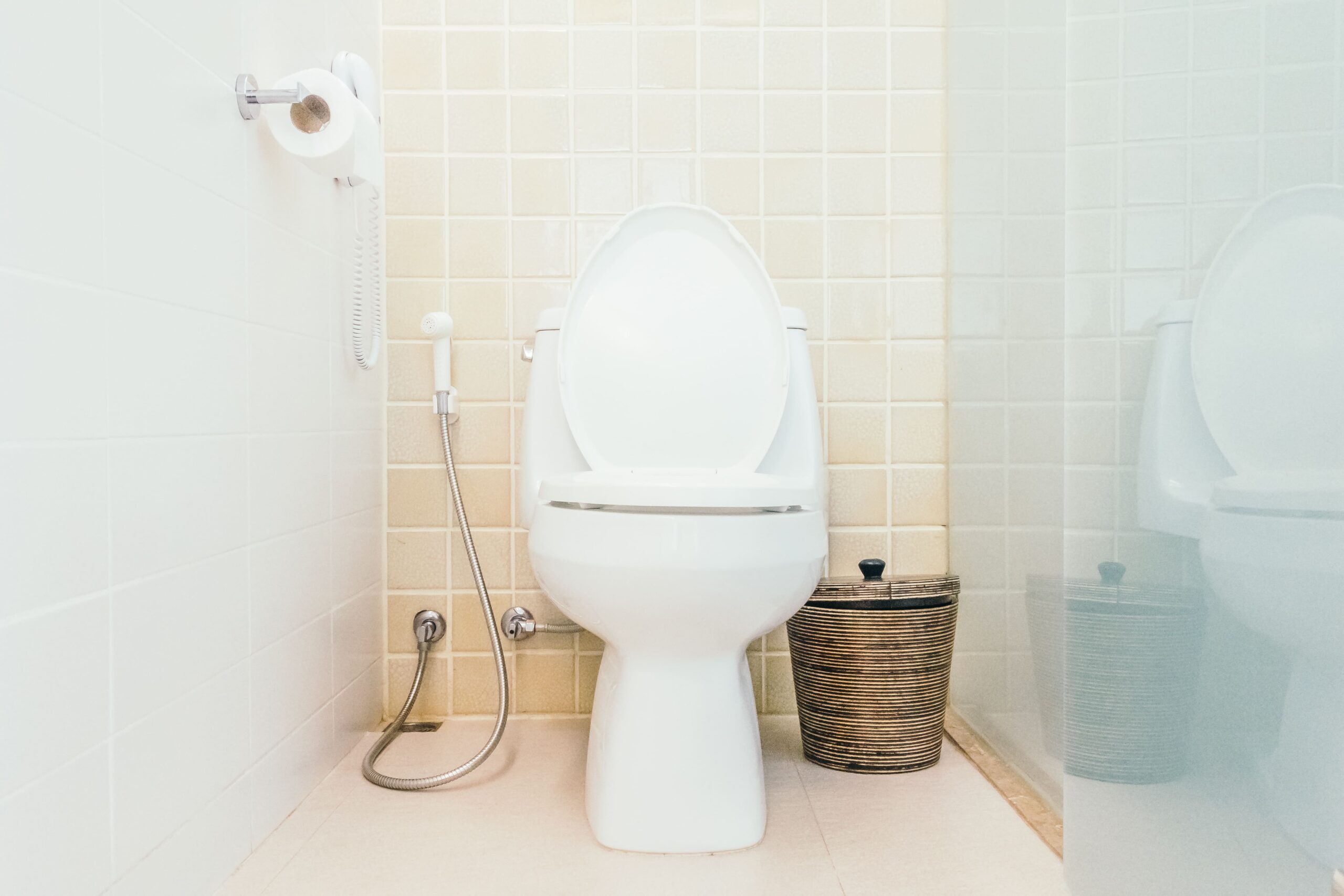
Attachments can retrofit an existing toilet quickly, making them extremely handy for short-term solutions.
Full bidet seats are more integrated, with all features built in, so they’re easier for clients and carers in the long run.
Attachments: temporary or short-term care.
Full seats: clients needing regular support or long-term independence.
Installation
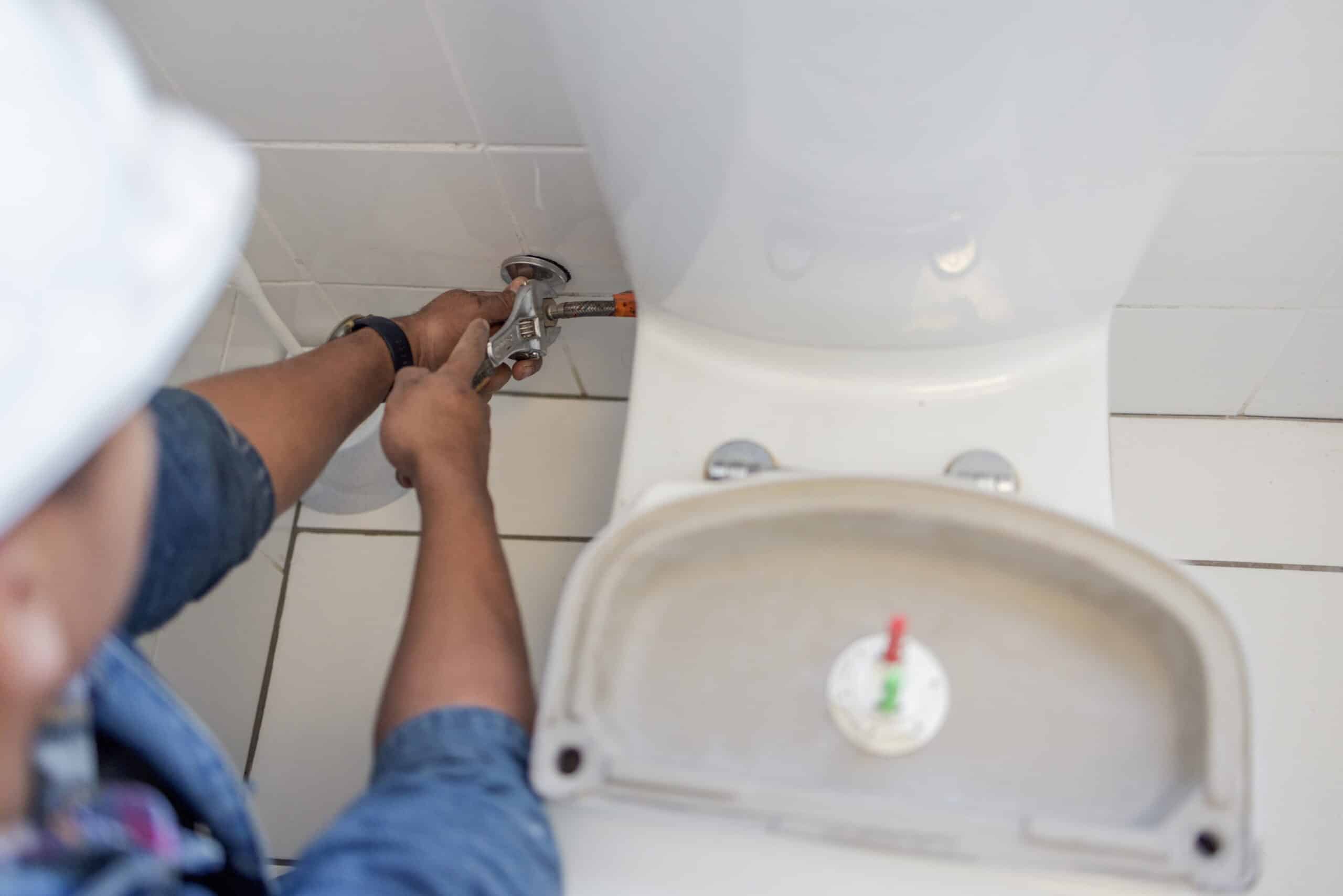
Professional installation ensures everything is positioned for safety and reach, and avoids DIY errors that can affect performance.
Highly recommended for anyone with mobility challenges or frequent carer support.
Find the right bidet for your clients, without the hassle
At Bidet Specialists Perth, we help occupational therapists and carers match the ideal model to their clients’ specific needs, whether it’s a retrofit attachment for short-term support or a full electric seat for long-term independence.
Our team handles professional installation from start to finish, ensuring everything is safe, accessible and ready to use. What that means is less stress for you, more comfort for your client, and confidence that the setup is done right the first time.
Get in touch today to see how we can make toileting safer, simpler and more dignified with the right bidet solution.
Frequently asked questions
Can bidets really reduce the risk of slips and falls for clients at home?
Absolutely. As a form of bathroom assistive technology, bidets minimise twisting, bending and reaching, which are the movements most likely to cause slips or falls during toileting.
Are there bidets that are easier for carers to support without losing the client’s dignity?
Yes! Many models have hands-free cleaning and drying features. This lets carers step back while still offering safe support, helping to keep the client comfortable and independent.
Can bathroom assistive technology like bidets be installed in smaller or existing bathrooms?
Definitely. Retrofit attachments can turn a standard toilet into a fully functional bidet without major renovations. This makes it practical for both short-term setups and long-term care.
How do you know which bidet will actually work for a client’s specific mobility challenges?
The best way is to start with a quick assessment of what the client can and can’t do. Look at their balance, trunk control, shoulder and hip mobility, and hand dexterity.
From there, you can match features to their needs; for example, adjustable nozzles for limited twisting, warm water for gentle cleaning, automatic drying if hand use is difficult, and simple controls for easy operation.
Testing a few options (or consulting a specialist like Bidet Specialists Perth can help you find the model that really supports independence and reduces caregiver strain.
Ready to find the right bidet?
Talk to our Perth team about supply, installation or an NDIS-ready quote.
If you’re an occupational therapist or support coordinator looking to make a confident OT bidet recommendation in Australia, there are a few things to note before deciding. The bidet seat needs to be WaterMark certified, and the installation needs to comply with WA backflow rules. It’s important to understand when a bidet recommendation is appropriate, […]
When you’re renovating a bathroom, it’s easy to get caught up in the big decisions first, such as the tiles, vanities, tapware, and lighting. Then somewhere along the way, the idea of adding a bidet comes into the picture. And lately, that’s becoming far more common in modern bathrooms, especially for homeowners wanting better comfort, […]
Why bidets are becoming standard in bathroom renovations
9 June 2026
Bidet Toilets
If you’re planning a bathroom renovation, chances are you’re thinking beyond just tiles and tapware. What was once considered a luxury upgrade is quickly shifting into an expected feature, especially in homes designed with convenience and everyday comfort in mind. But while interest in bidets is growing fast, many renovators still overlook some important planning […]